In a move to address growing health concerns, the Oklahoma state legislature is taking action on the issue of ultra-processed foods.
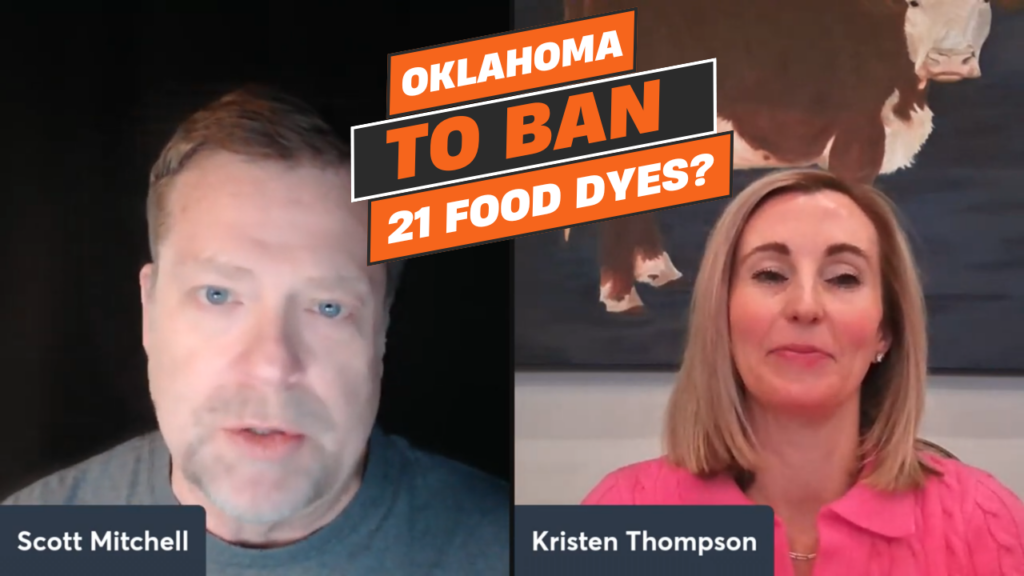
Senate Bill 4, introduced by Sen. Kristen Thompson (R-Edmond), aims to prohibit the use of 21 dyes and other chemical additives in food and ingestible drugs. The bill, which will be heard in the Agriculture and Wildlife Committee on March 4th, seeks to provide Oklahomans with more transparency about the ingredients in their food.
“I think we have the right to know what we’re putting in our bodies,” said Thompson in a discussion with Scott Mitchell.
The senator highlighted the alarming trends in health outcomes, noting the increase in cancer rates and declining health despite significant healthcare spending. She believes this legislation is an important step in addressing these concerns, as research has linked many of these additives to issues like cancer, ADHD, and endocrine disruption.
While the bill has faced some misinformation, Senator Thompson was quick to clarify that it does not ban any foods, but rather prohibits the use of certain problematic ingredients.
She emphasized the distinction between banning food and prohibiting additives, stating, “We are not telling anyone that they cannot sell their product. We are not banning food. We are prohibiting fillers.”
The senator also discussed the importance of working with local Oklahoma food manufacturers to help them transition to safer, healthier alternatives. She expressed a willingness to connect them with resources and support their efforts to adapt their formulas.
The public is encouraged to engage with the legislative process by reaching out to the Agriculture and Wildlife Committee and attending the upcoming hearing, which will be televised and recorded.
Thompson emphasized the importance of public participation, stating, “The capital is the people’s house, so come and see us. We’ll be there.”
As Oklahomans continue to grapple with the impact of ultra-processed foods on their health, Senate Bill 4 represents a significant step forward in empowering consumers and promoting a safer, more transparent food system.