Attorney, Former Oklahoma Legislator Collin Walke on Superintendent Walters’ Legal Risk: Be Quiet and Cooperate
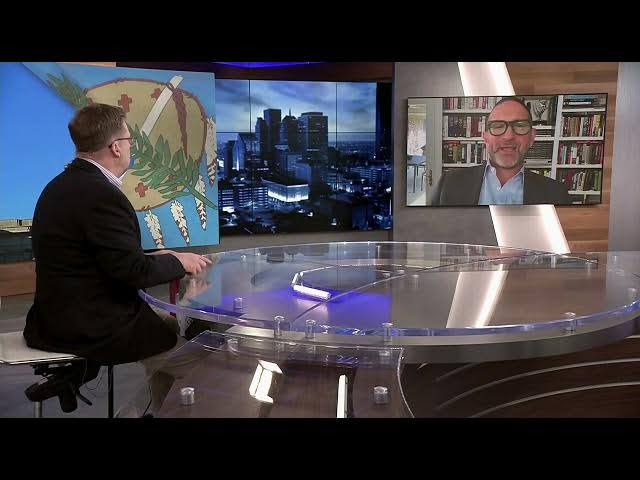
Scott Mitchell sat down with attorney, AI and cybersecurity expert — and former Oklahoma legislator — Collin Walke to unpack the recent legal and political trouble surrounding State Superintendent Ryan Walters after he impugned members of the state Board of Education during a press conference regarding an investigation into nudity on his TV last month.
Walke broke down the legal exposure, the role of the state in paying legal bills, and why Walters’ own words may come back to haunt him.
Who Pays the Legal Bills?
Walke explained that Walters could be sued in both his personal and professional capacities. If the lawsuit involves his official role, the Governmental Tort Claims Act comes into play, capping damages at about $150,000 and potentially giving Walters immunity — as long as he was acting within the scope of his job.
“The argument there is probably, yes, it is within his scope of employment, but at the end of the day, no one can lie purposefully about someone else and claim that that is within the scope of the employment.”
To hold Walters personally liable, plaintiffs would have to prove he intentionally lied, which would remove the shield of official immunity. Until that determination is made, Walke said, the state would likely cover most of the legal costs.
The Press Conference Problem
Mitchell pointed to a press conference in which Walters made sweeping, conspiratorial claims — “multiple shooters on the grassy knoll” and that the governor was somehow involved — and questioned why a public official would make statements that could be easily disproven.
Walke said that’s why attorneys consistently tell clients to remain silent when under scrutiny.
“Any lawyer is gonna tell their client to keep their mouth shut… if we have a jury trial and there are 12 individuals from Oklahoma who are trying to decide whether or not Ryan Walters defame these individuals, and you can impeach his credibility… then that helps… for the jury to say, well, he’s probably lying over here as well.”
Such statements, he added, go directly to credibility and can undermine a defense in court.
Silence and Transparency Go Hand in Hand
Mitchell noted that the state’s cybersecurity agency had offered to review Walters’ devices voluntarily, but Walters declined. Walke agreed that staying quiet and cooperating fully would have been the smarter course.
“Absolutely. Because even if Superintendent Walters is correct that this was just all made up… it doesn’t change the fact that his best opportunity to show that he has nothing to hide is to say, ‘Here you go. Here’s everything and I’m gonna sit back and be quiet and let you all do your investigation because I have nothing to hide.’”
Instead, Walters came out “in such a vociferous manner” in opposition and refused to allow Oklahoma Management and Enterprise Services to review his devices — a move Walke said sends the wrong signal.